Lakeside Kitchen is Open


Latest Stories


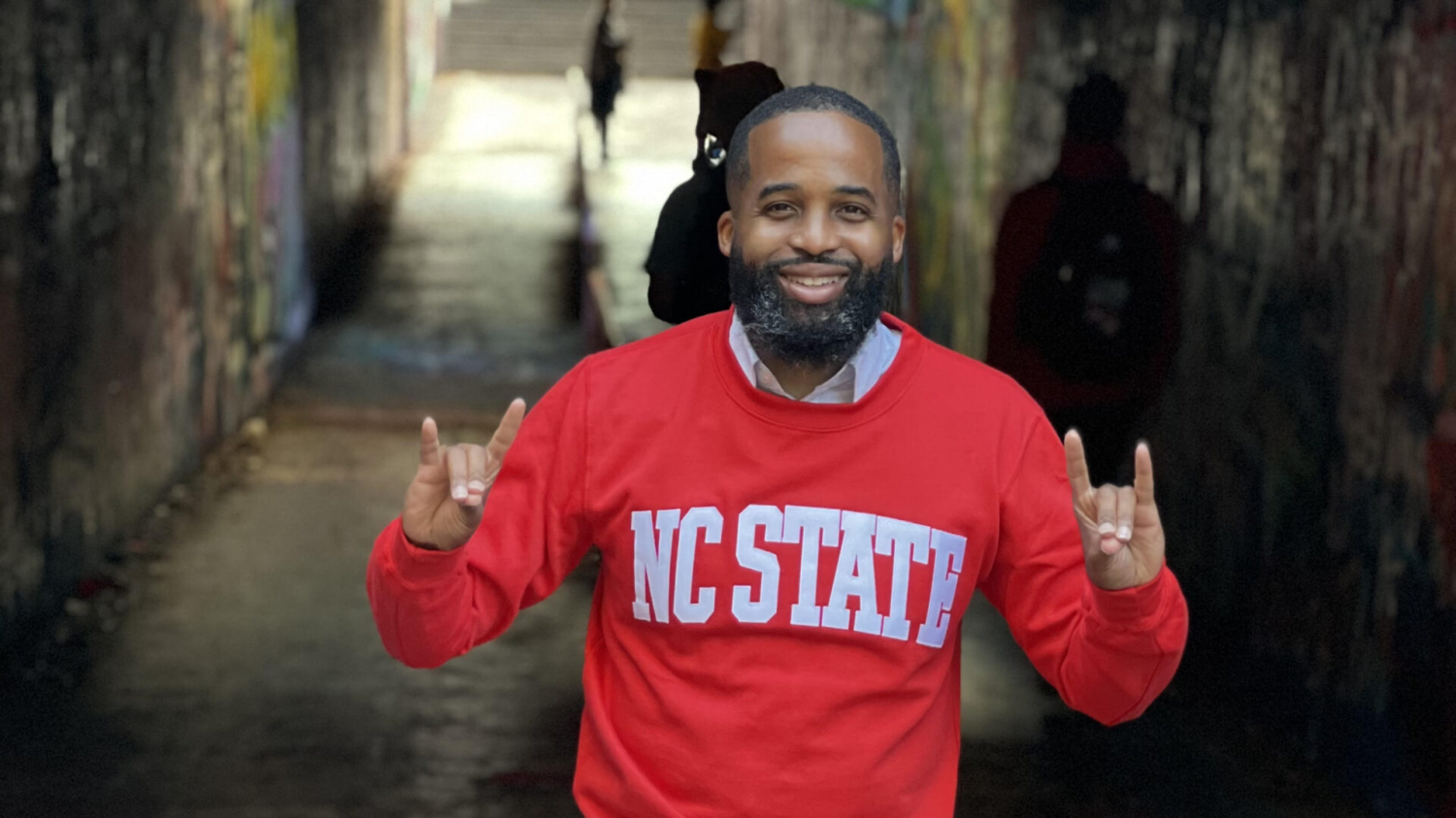
Leader of our Pack. 🫡🐺🎸
Happy birthday, Chancellor Woodson!

𝙽𝙲 𝚂𝚃𝙰𝚃𝙴!!! 🤍
From rocking out at Reynolds to kicking back on the lawn at All-Campus, NC State has seen its share of music history. What was your favorite on-campus concert?
This weekend, students are celebrating the end of the school year — and summer in sight — at Wolfstock. 🎶😎
#TBT | 📸: @ncsulibraries

From rocking out at Reynolds to kicking back on the lawn at All-Campus, NC State has seen its share of music history. What was your favorite on-campus concert?
This weekend, students are celebrating the end of the school year — and summer in sight — at Wolfstock. 🎶😎
#TBT | 📸: @ncsulibraries
Sailing into grad season. ⛵️🎓
📸: @ncstatesciences grad Abby Scudder ’24, B.S. Biology
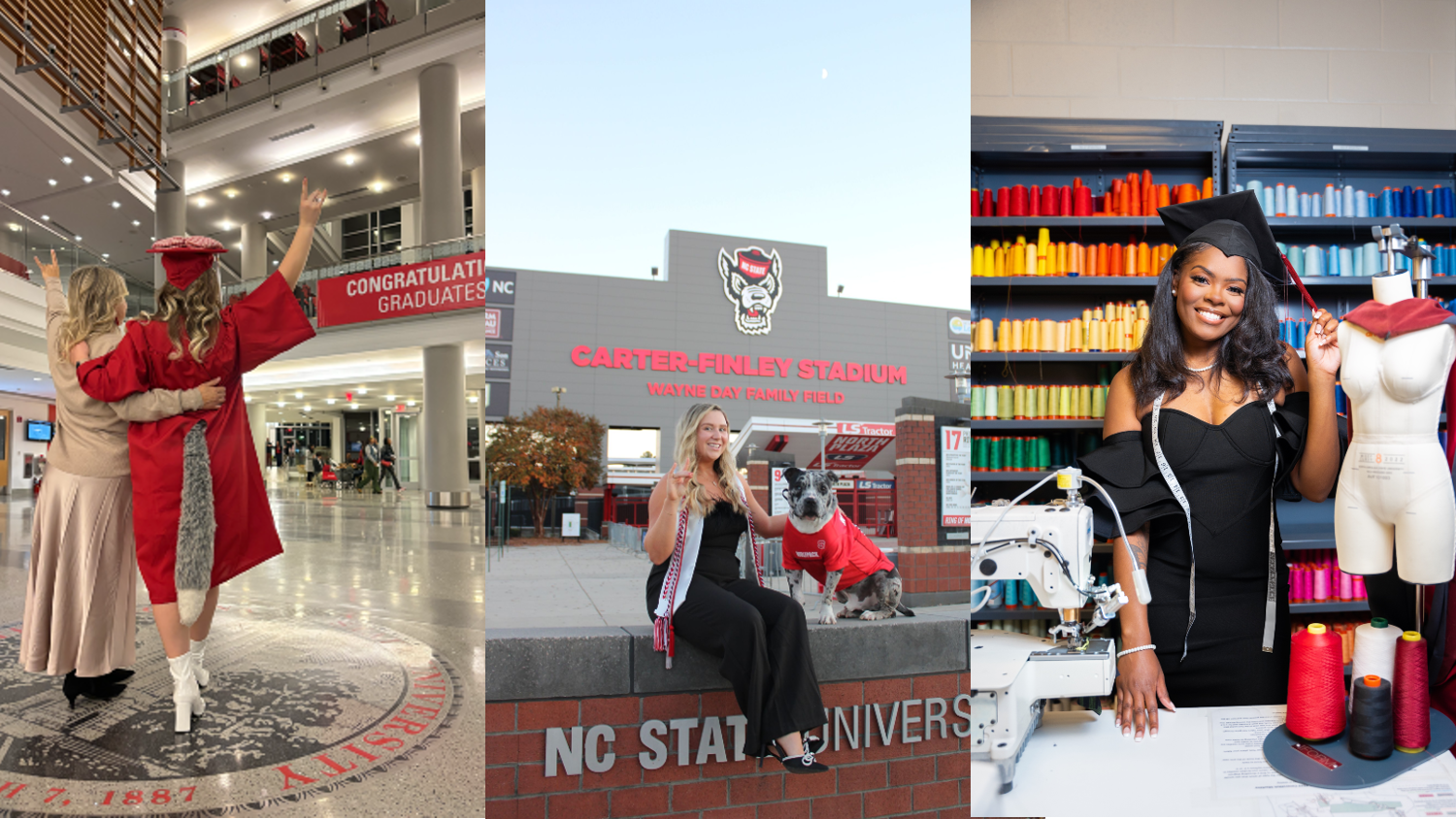
Grads, show us how you’re celebrating becoming @ncstate alumni and tag us in your cap and gown photos! Use #HowlBack in your pics for a chance to win prizes. Full details on how to enter in our profile link in bio.

Sailing into grad season. ⛵️🎓
📸: @ncstatesciences grad Abby Scudder ’24, B.S. Biology
Grads, show us how you’re celebrating becoming @ncstate alumni and tag us in your cap and gown photos! Use #HowlBack in your pics for a chance to win prizes. Full details on how to enter in our profile link in bio.

It’s a great day to be part of the Pack. ☀️🐺 #HowlBack

Bringing the paw-ty to the tailgate. 🐾 #NationalPetDay
📸: Dee Anthony ’19
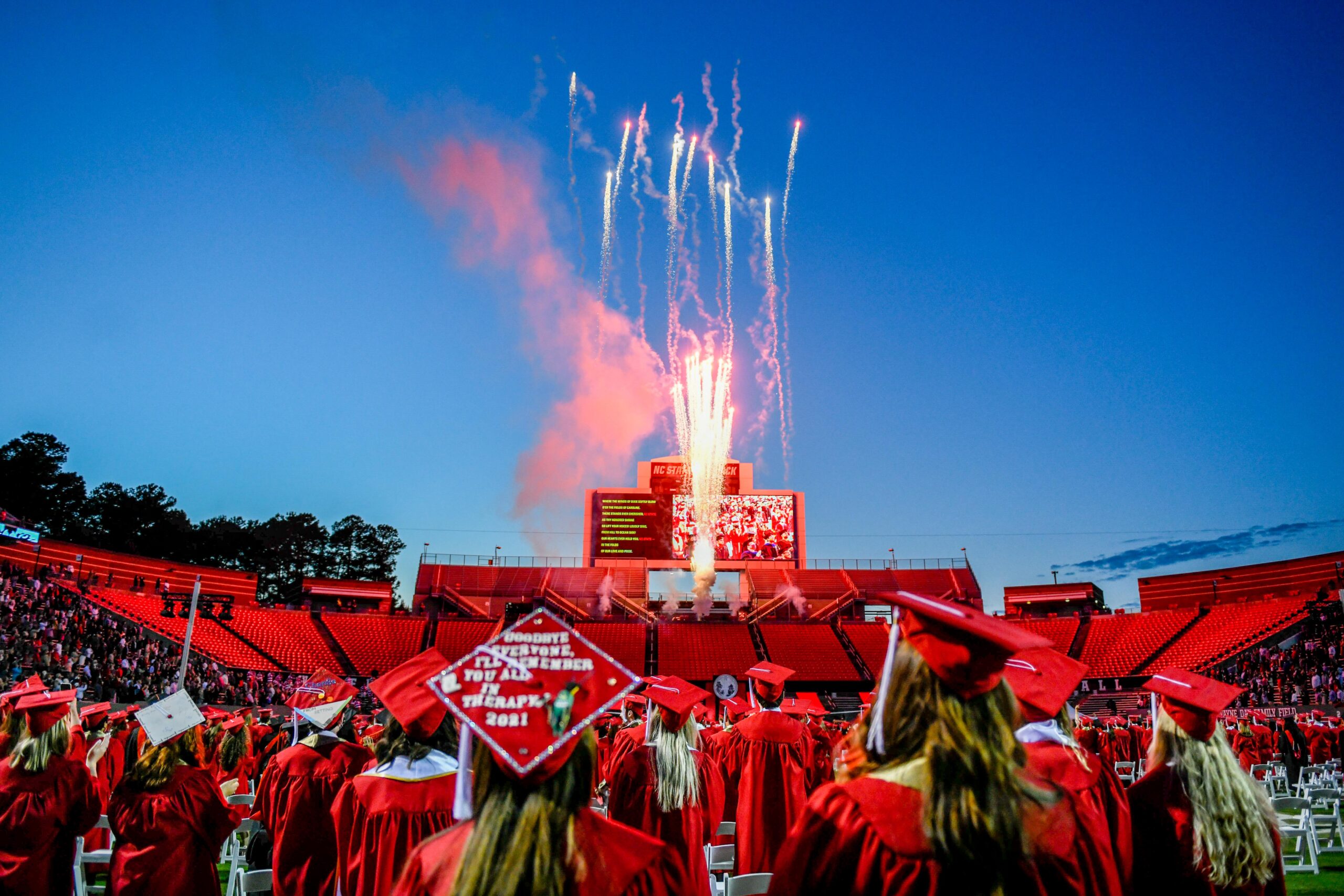
Game on — it’s almost time for #NCState24 to join the Alumni Pack! 🐺
Show us how you’re celebrating commencement — from rocking your cap and gown to showing off your diploma — and add the hashtag #HowlBack to your graduation photos on X and Instagram for the chance to win prizes.
Full details via the link in our profile bio.
📸: @ncstatechass alumna Chloe Allen ’23

Game on — it’s almost time for #NCState24 to join the Alumni Pack! 🐺
Show us how you’re celebrating commencement — from rocking your cap and gown to showing off your diploma — and add the hashtag #HowlBack to your graduation photos on X and Instagram for the chance to win prizes.
Full details via the link in our profile bio.
📸: @ncstatechass alumna Chloe Allen ’23
𝘼𝙡𝙪𝙢𝙣𝙞 𝙋𝙖𝙘𝙠, 𝙮𝙤𝙪’𝙧𝙚 𝙞𝙣𝙘𝙧𝙚𝙙𝙞𝙗𝙡𝙚. You cheered, sang “Wagon Wheel,” made new friends and memories, and came together the way only the Wolfpack can.
From Raleigh to across the country and even the world, you showed up for the Pack and showed us how you #HowlBack. What. A. Season. Let’s do it again next year. 🐺❤️🤍

𝘼𝙡𝙪𝙢𝙣𝙞 𝙋𝙖𝙘𝙠, 𝙮𝙤𝙪’𝙧𝙚 𝙞𝙣𝙘𝙧𝙚𝙙𝙞𝙗𝙡𝙚. You cheered, sang “Wagon Wheel,” made new friends and memories, and came together the way only the Wolfpack can.
From Raleigh to across the country and even the world, you showed up for the Pack and showed us how you #HowlBack. What. A. Season. Let’s do it again next year. 🐺❤️🤍

Just getting our howls warmed up for tonight. 🗣️ #HowlBack
Final Four loading... ⏳
Our very Wolfpack Weekend™️ kicks off today as @packwomensbball take on South Carolina in Cleveland. #HowlBack from wherever you’re at and show us how you’re cheering on the Pack this weekend!
🔗 To find a game watch near you — including a Hillsborough Street block party! — follow the link in our profile bio.

Final Four loading... ⏳
Our very Wolfpack Weekend™️ kicks off today as @packwomensbball take on South Carolina in Cleveland. #HowlBack from wherever you’re at and show us how you’re cheering on the Pack this weekend!
🔗 To find a game watch near you — including a Hillsborough Street block party! — follow the link in our profile bio.
Been feelin’ a lot like ’83... 🏀🏆
#OnThisDay in 1983, the Cardiac Pack won the NCAA national title at The Pit in Albuquerque. The Pack’s victory has often been considered one of the greatest upsets in college basketball history, and the final game’s ending is iconic.
#TBT | 📸 : @ncsulibraries

Been feelin’ a lot like ’83... 🏀🏆
#OnThisDay in 1983, the Cardiac Pack won the NCAA national title at The Pit in Albuquerque. The Pack’s victory has often been considered one of the greatest upsets in college basketball history, and the final game’s ending is iconic.
#TBT | 📸 : @ncsulibraries
Nothing but net! 🏀
There’s a number of ways to celebrate a basketball win, but the most recognizable celebration of cutting down the net originated close to home. As our Wolfpack men and women head into the @ncaa #FinalFour, learn more about this fun tradition that started with an NC State legend.
🔗 Read more in #NCStateMag via the link in our profile bio.

Nothing but net! 🏀
There’s a number of ways to celebrate a basketball win, but the most recognizable celebration of cutting down the net originated close to home. As our Wolfpack men and women head into the @ncaa #FinalFour, learn more about this fun tradition that started with an NC State legend.
🔗 Read more in #NCStateMag via the link in our profile bio.